HOMEOWNER RESOURCES
We Care About You!
At S&A Homes, we’re proud to consistently earn high customer satisfaction ratings. In fact, the majority of our customers say they would recommend S&A Homes to friends and family. We take pride in building your home the right way from the start—and we stand behind that commitment with a proactive Customer Care program and a 10-Year Limited Warranty, giving you lasting peace of mind.

Customer Care Timeline
Your journey with S&A Homes doesn't end at closing. This timeline shows what to expect during your first year of homeownership.
Day 30
Your dedicated Customer Care Coordinator will contact you to schedule your 3-Month service visit. They'll ensure you have the paperwork and contact information you need, and will walk you through each step of our Customer Care program.

Day 60
It's time to submit your 3-Month Checklist. Once received, our Customer Care team will contact you to schedule your 3-Month service visit.

Month 3
Your Customer Care Coordinator will visit your home to review your 3-Month Checklist and to address any items that need attention.

Month 10
It’s time to submit your 1-Year Checklist. Once received, our Customer Care team will reach out to schedule your 1-Year service visit.

Year 1
Your Customer Care Coordinator will return to your home to complete final adjustments and take care of any necessary drywall touch-ups.

What to Expect
Customer Care Timeline
Your journey with S&A Homes doesn't end at closing. This timeline shows what to expect during your first year of homeownership.
Day 30
Your dedicated Customer Care Coordinator will contact you to schedule your 3-Month service visit. They'll ensure you have the paperwork and contact information you need, and will walk you through each step of our Customer Care program.
Day 60
It's time to submit your 3-Month Checklist. Once received, our Customer Care team will contact you to schedule your 3-Month service visit.
Month 3
Your Customer Care Coordinator will visit your home to review your 3-Month Checklist and to address any items that need attention.
Month 10
It’s time to submit your 1-Year Checklist. Once received, our Customer Care team will reach out to schedule your 1-Year service visit.
Year 1
Your Customer Care Coordinator will return to your home to complete final adjustments and take care of any necessary drywall touch-ups.
10-Year Limited Warranty
1 Year
Coverage during the first year includes workmanship and materials throughout the home, excluding landscaping.
2 Years
Through the second year, certain components of the home's mechanical, electrical and plumbing systems are covered.
10 Years
Provided by the American eWarranty program, coverage includes the home’s load-bearing structural components.
Benefits of Our 10-Year Warranty
Your home is built to last, and so is our commitment to you. With our 10-Year Limited Warranty, your investment is protected, giving you peace of mind for years to come.
- A fully transferable warranty boosts resale value and helps your home stand out.
- Our Customer Care team handles warranty claims, making the process hassle-free.
Maintenance Guide
At S&A Homes, our commitment to quality and service doesn’t stop at move-in. Through our post-settlement service program and 10-Year Limited Warranty, we provide valuable Homeowner Resources to help you keep your home in top condition for years to come.
Whether you have a warranty question, need seasonal maintenance tips, or want quick access to service checklists, this is your go-to resource for keeping your home running smoothly—just like the day you moved in.

Maintenance Tips From Our Blog
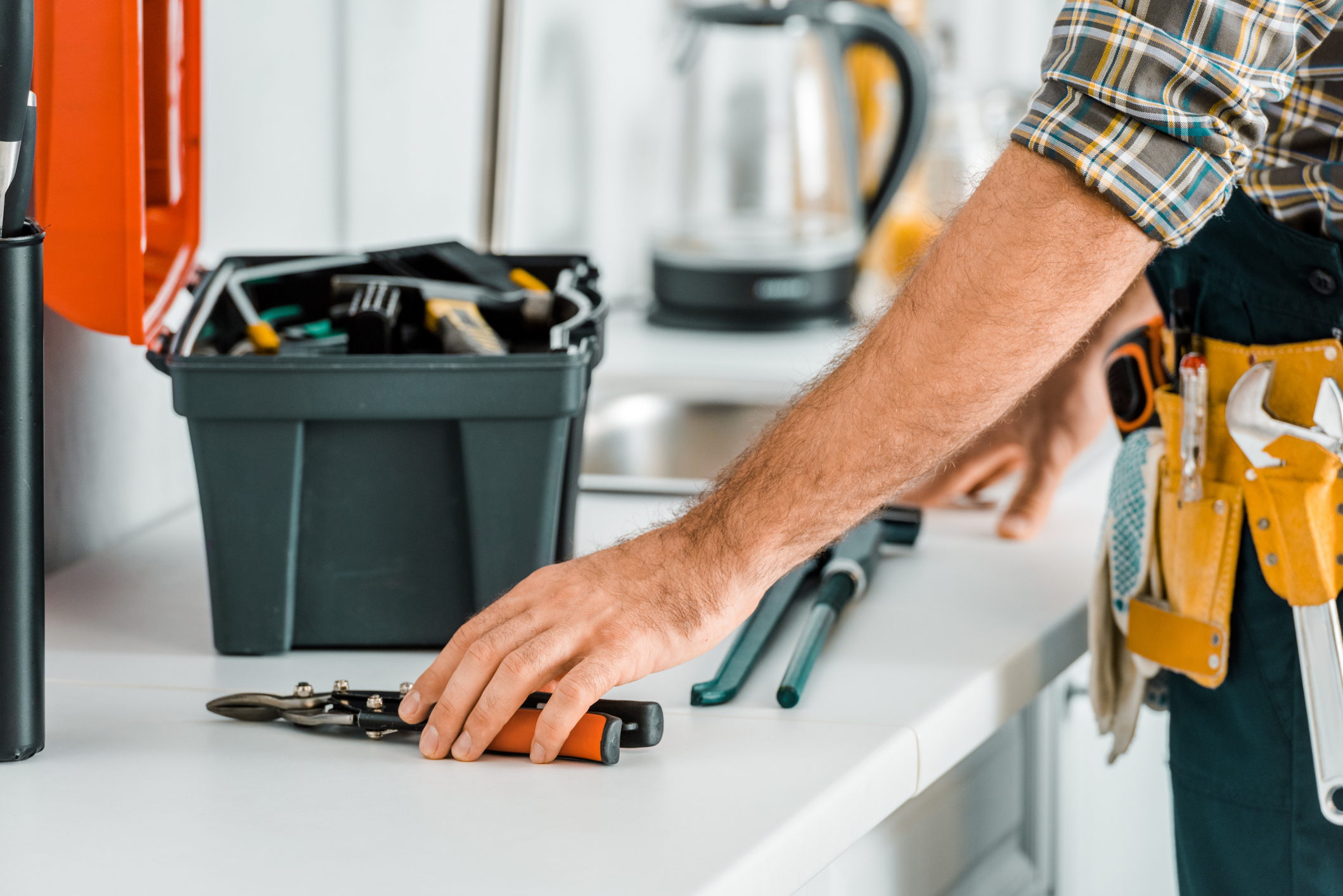
Essential Tools for New Homeowners
Service Request
For Non-Emergency Requests
Examples of a non-emergency include small, isolated plumbing leaks that can be shut off, a non-working toilet when another is available, or a lack of hot water. They also include minor electrical issues in one area, HVAC performance concerns, appliance issues, window leaks, dripping faucets, or loose siding.
Examples of a non-emergency include small, isolated plumbing leaks that can be shut off, a non-working toilet when another is available, or a lack of hot water. They also include minor electrical issues in one area, HVAC performance concerns, appliance issues, window leaks, dripping faucets, or loose siding.
Even the best-built homes can experience issues from time to time. Our service request form below is designed to help you report non-emergency concerns that shouldn’t wait until your 3-Month or 1-Year Home Care visits. Simply complete the form with as much detail as possible—including photos and location specifics—so our team can respond efficiently. Please note that our Customer Care department will follow up on all service requests within 48 hours, excluding weekends.
Submit Warranty Request
FAQs
Home Interior
Start by reviewing the manufacturer’s care and cleaning guidelines for your specific countertop material. To prevent staining, wipe up spills promptly—especially around joints or grout lines. Avoid using abrasive tools like steel wool, as well as acidic cleaners or vinegar, which can damage the surface.
Use a bare-floor vacuum attachment when cleaning hardwood floors, as some vacuum types can cause damage. Avoid using water to mop—excess moisture can harm the wood. Instead, clean with a dry dust mop or use the cleaning products recommended by your flooring manufacturer.
It’s normal for hardwood floor boards to expand and contract with changes in humidity and temperature. During colder months, dry indoor air can cause the boards to shrink slightly, resulting in small gaps. Maintaining a consistent indoor humidity level—ideally around 35%—with the use of a humidifier can help minimize these seasonal changes.
To help prevent grout stains, apply a sealant to the grout lines (not the tile) soon after moving in. Use protective pads under heavy furniture to avoid scratches, and always lift—rather than drag—furniture across the floor. Placing mats at entryways can also protect your tile from dirt, salt, and moisture tracked in from outside.
Vacuum your carpet weekly to keep it clean and looking fresh. Schedule a professional carpet cleaning once a year to maintain its condition. If you notice buckling, separation, or looseness, contact a carpet professional to have it stretched. Trim any loose threads to avoid unraveling, and be aware that direct sunlight can cause uneven fading over time.
Condensation on interior glass is common, especially in colder weather. It occurs when warm, moist air inside your home meets cooler window or door surfaces. This is usually a sign of high indoor humidity. Using a dehumidifier can help lower humidity levels in your home and reduce the likelihood of condensation forming.
Home Exterior
Concrete is a natural material, so variations in color and appearance are normal. These differences typically fade over time, and the surface will become more uniform as it cures. Small cracks may also develop as the concrete expands and contracts with temperature changes—this is common and not a structural concern. It’s best to leave these minor cracks as they are. To protect your concrete, avoid using salt or chemical de-icers, which can cause surface damage and discoloration. For more details, please refer to your warranty manual.
Check for leaves or other debris that may be blocking the flow of water. During heavy rain, it’s normal for gutters to temporarily overflow due to the high volume of water. Wait until the rain has stopped, then inspect your gutters—if they’re still leaking when dry, there may be a separate issue that needs attention.
Check for any clogs or obstructions in the gutters or downspouts that may be preventing proper drainage. If everything is clear, a small amount of standing water can still occur due to the slope of the gutters, which is normal and not usually a cause for concern.
Yes. Before the first freeze, always disconnect your hose to prevent water from freezing and expanding back into the pipes, which can cause them to burst. It's also recommended to shut off the interior valve leading to the exterior hose bib and drain any remaining water from the bib to protect your plumbing during cold weather.
Exterior doors are naturally more exposed to drafts, but if you’re noticing more airflow than usual, your door sill may need to be adjusted. Most door sills have two adjustment screws on the bottom plate. Loosening these screws raises the sill, helping to create a tighter seal with the door and reduce drafts.
Yes, regular maintenance helps keep your exterior doors operating smoothly. Lubricate keyholes and lock mechanisms with white graphite to prevent sticking. For sliding doors, clean the tracks by removing debris with a vacuum and wiping them down with warm, soapy water. Applying a silicone lubricant to the bottom track can also improve ease of use.
Mechanical Systems
Start by checking your air filter—if it’s dirty, it can prevent your system from working efficiently. Filters should be inspected every 3 months and replaced as needed. Make sure your thermostat is set to the correct mode (heat or cool), and that the temperature is set at least 2 degrees above or below the current room temperature. Also, check for any heat-producing appliances or lights near the thermostat, as they can give a false reading. If none of these steps help, try restarting the HVAC system and its breaker. Keep in mind this will clear any stored error codes.
This is a normal occurrence. When your air conditioning unit starts, the compressor draws a large amount of energy for a brief moment, which can cause nearby lights to dim temporarily.
Yes, it’s normal to notice an odor the first few times you use your gas fireplace. New units may emit smells from paints and oils burning off inside the firebox. At the start of each season, you might also smell burning dust, debris, or pet hair that has collected since the last use. These odors typically fade after a few uses.
This is normal. Your fireplace vent connects directly to the outside, so when the fireplace isn't in use, cold air can make the glass feel cool to the touch. It’s similar to the chill you might feel near a sliding glass door during winter.
Electrical & Plumbing Systems
Each plumbing fixture in your home has a shut-off valve, typically located where the water line connects beneath the fixture. To stop water flow to that fixture, turn the valve handle until it’s perpendicular to the water line. If the leak is severe or you can’t locate the source, use the main water shut-off valve, which is usually found near the water meter in your basement. It’s a good idea to locate and familiarize yourself with this main valve before an emergency occurs.
A circuit breaker trips when the electrical load on that circuit exceeds its designed capacity. This often happens when too many devices are plugged in or operating at once. To prevent this, try unplugging or turning off some devices, or redistribute them to a different circuit to reduce the overall load.
Circuit breakers have three positions: ON, OFF, and TRIPPED. If a breaker trips, you’ll need to reset it by first flipping it all the way to the OFF position, then back to ON. This will restore power to the circuit.
Even though your smoke detectors are hardwired, they still contain backup batteries in case of a power outage. A consistent beeping sound usually means the battery is low. Power outages may be rare, but it's important to replace the batteries at least once a year—or sooner if the detector begins to beep.
A common cause is a burnt-out bulb. To test this, place duct tape over the sensor during daylight to simulate darkness. If you hear a click but the light doesn’t turn on, the bulb may need to be replaced. If there’s no sound and the light stays off, the sensor itself may need to be replaced.
Garage
To keep your garage doors operating smoothly, lubricate all moving parts—such as rollers, hinges, and tracks—once a year using a non-silicone lubricant. Regular maintenance helps prevent wear and ensures quiet, reliable operation.
If you need to open or close your garage door during a power outage, pull the emergency release cord to disconnect the door from the opener. This allows you to manually lift or lower the door as needed.
If your keypad is battery-powered, try replacing the batteries. For hard-wired units, check that the unit is plugged in and that the circuit breaker hasn’t tripped. Restoring power or replacing batteries usually resolves the issue.
If your garage door is reversing without pressing the button, the safety sensors may be blocked or misaligned. Check for any objects in the way and gently clean the sensor lenses—dust or debris on the sensor "eye" can trigger the system to stop and reverse the door. Make sure both sensors are facing each other and aligned properly.
Customer Care Program
The S&A Homes Customer Care Program is here to help make your first year in your new home easy and worry-free. We'll check in at key milestones—like 3 and 12 months after move-in—to make sure your home is performing the way it should, and to take care of anything that needs attention.
Around 30 days after you move in, your Home Care Coordinator will reach out to walk you through the next steps, answer any questions, and help schedule your 3-Month Visit.
This visit is a great opportunity to take care of any minor issues you've noticed since moving in. Just fill out your 3-Month Checklist (due around Day 60), and your Home Care Coordinator will schedule a visit to go over your list and plan any needed repairs.
Before your warranty year ends, we’ll send you a reminder around month 10 to submit your final checklist. We’ll then schedule a walk-through to review your list, handle things like drywall touch-ups, and take care of any remaining covered items.
For non-emergency issues that shouldn't wait until your next scheduled visit, just fill out the Submit Warranty Request form on our website, Be as detailed as possible and include any photos or location notes—this helps our team respond more efficiently. If you'd rather speak to someone, you can call the number listed on the service request page. If it’s an emergency, please refer to the phone numbers provided by your Project Manager at move-in.
An emergency is anything that affects your safety, comfort, or ability to live in the home—like a major plumbing leak, electrical issue, or no heat during cold weather. If you're experiencing an emergency, please call the emergency number provided by your Project Manager at move-in. Non-emergencies are smaller items that don’t need immediate attention, such as cosmetic imperfections or minor adjustments. These should be added to your 3-Month or 12-Month Checklist during your first year in the home.
Our Customer Care team aims to follow up on all non-emergency service requests within 48 hours, excluding weekends.
Warranty
At S&A Homes, we proudly stand behind the quality of your new home. Your limited warranty includes one year of coverage for materials and workmanship, two years for certain components of the major mechanical systems such as plumbing, electrical, and HVAC, and ten years of structural protection through the American eWarranty program. Your coverage begins on the day you settle on your new home.
Yes. Your 10-Year Limited Warranty is fully transferable, which can boost your home’s resale value and help it stand out in the market.
No. There’s no deductible, so if you ever need to file a covered claim, you won’t owe a thing.
If you have questions or need help with a warranty or service request, our Home Care team is here for you. To get in touch, please visit the Service Request page or the Contact Us section on our website—we’ll make sure your request reaches the right team.